Buying dry food, wet food or an accessory for a cat or dog often takes only a few clicks. Yet the price on screen does not tell the whole story. A cheaper pack can cost more per meal, and an item sold from another country can come with extra shipping charges. Here are some practical checks before you buy.
If you live in the EU and usually shop on Amazon.fr, Amazon.de, Amazon.it or Amazon.es, the same product can be listed in several places. Comparing them takes a few minutes, but only if you compare the right things.
Compare by weight or by serving
The total price is the first number most people look at, but it is rarely the most useful. Convert every offer to a price per kilo, then, if the packaging gives one, to the recommended daily portion. A bigger bag is not always better value if it contains fewer grams per euro.
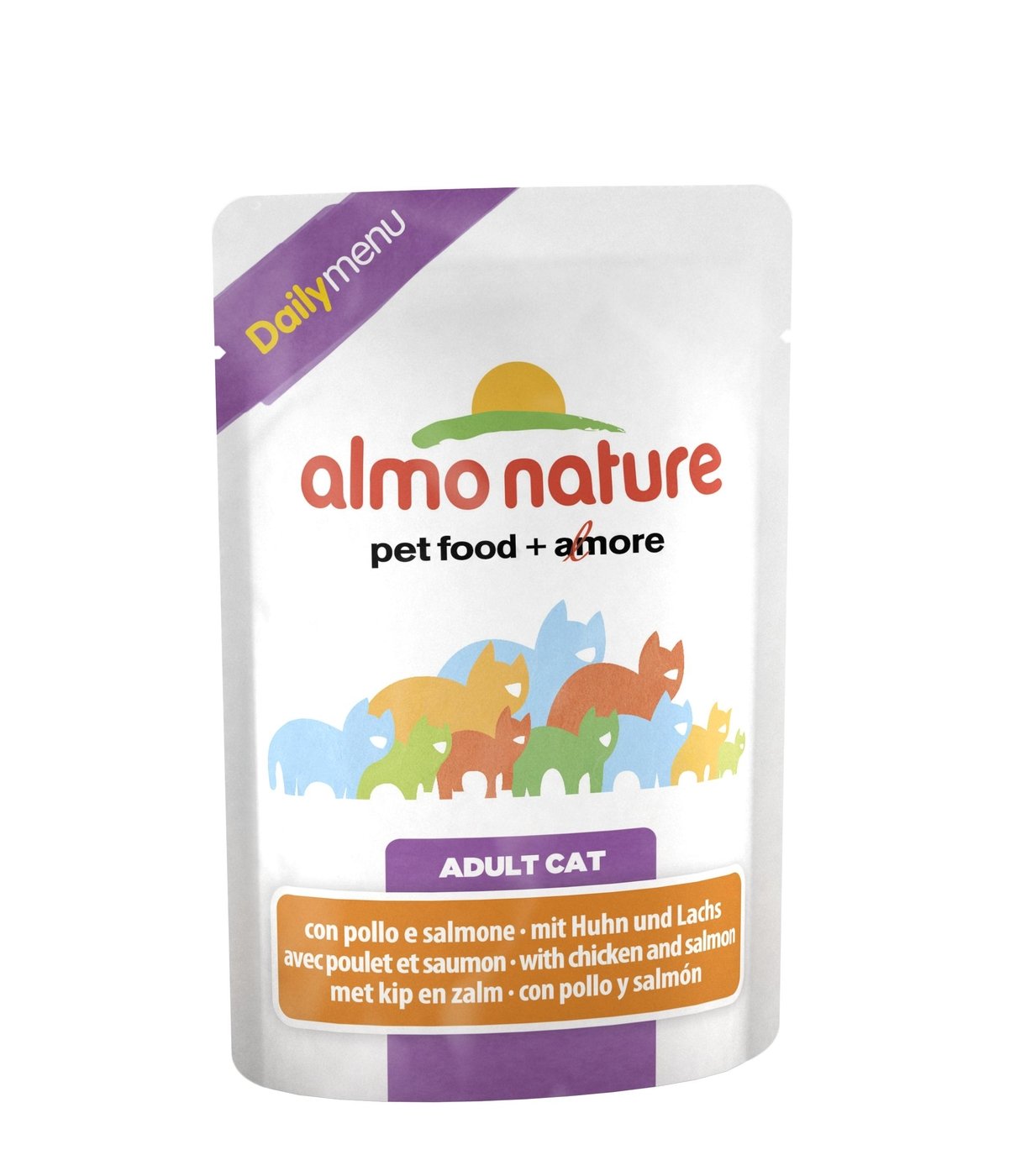
For wet food, compare the price per tin or pouch of the same weight. Pouches of 70 g and 85 g do not always work out the same way across brands, so do the calculation yourself.
Multipacks and bundles
Multipacks are convenient for regular purchases, but check three things: the number of units, the weight of each unit and the best-before date. A pack of six pouches only makes sense if your pet will eat them before they expire.
Also check whether the offer is sold by Amazon or by a third-party seller. Return conditions and customer service can differ.
Read the recipe and the label language
The same brand does not always sell the same recipe in every country. Meat percentages, cereals and additives can change, and a pack sold in Germany or Italy is not necessarily identical to one sold in France or the UK. Before comparing prices, compare the ingredients.
Rely on the ingredient list and the guaranteed analysis, not only on the product photo. If the label is in a language you read less easily, check the key points: target species, age, weight and feeding guidance.
This also applies to products whose target animal is unclear. A cream for adult pets, for example, should be checked before purchase to make sure it suits your animal.

Best-before dates
A low price catches the eye, but the best-before date matters just as much. Wet food pouches often have a short life once opened. For dry food, check the minimum durability date and the period after opening recommended by the manufacturer.
Advent calendars and treat boxes also have use-by dates. Read them before you buy them as gifts or store them.
Treats and snacks
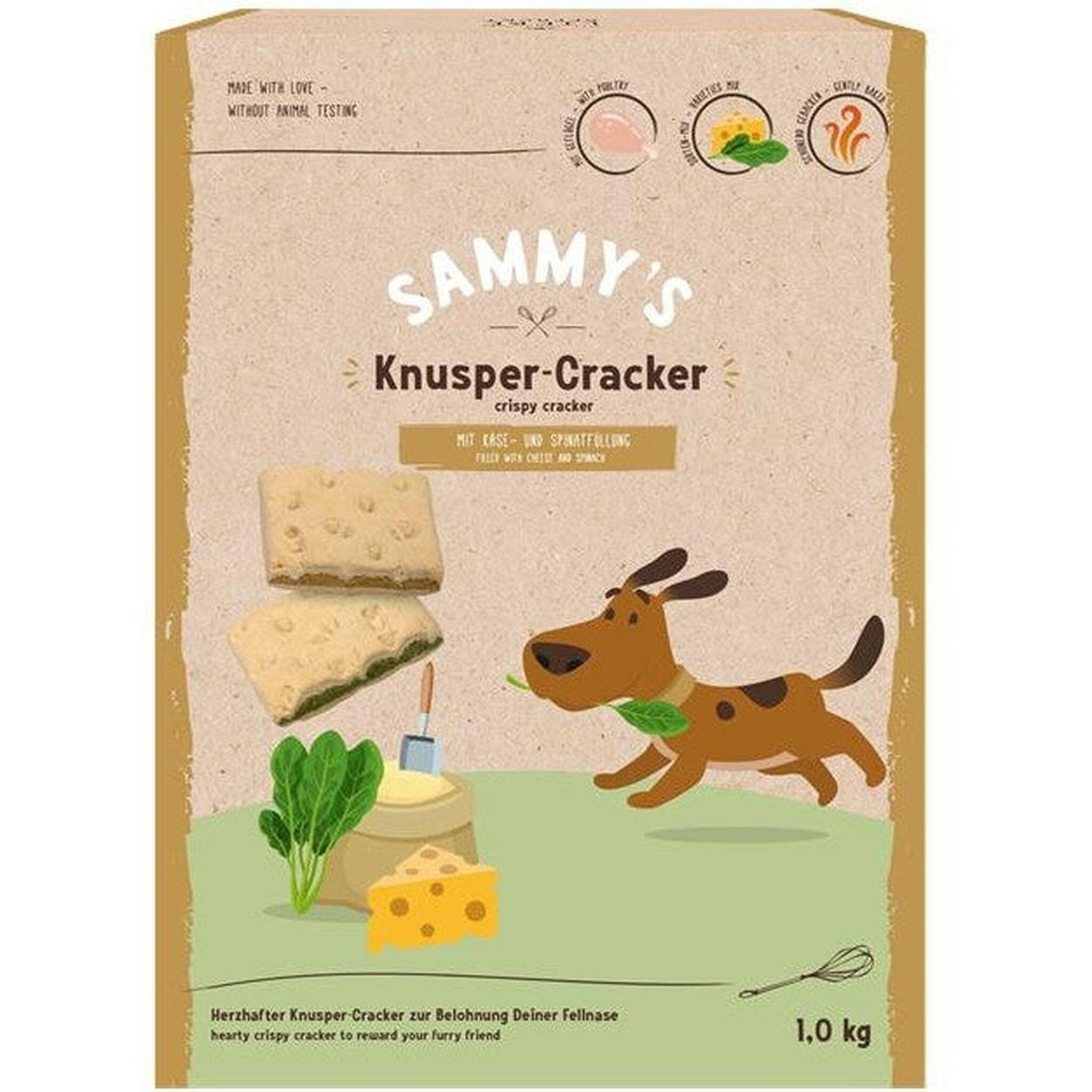
Treats are best compared by weight, just like food. Look at how much of your pet's daily diet they represent, since too many snacks can unbalance meals. If your dog has allergies, the ingredient list is still the first thing to check.
Heavy items and delivery costs
Bags of dry food are heavy and bulky. Before you decide, look at delivery costs, which are not included in the prices shown on Safqio. A slightly cheaper bag can become less attractive once transport is added.
If you buy from another European Amazon site, delivery times, costs and return rules may differ. The Safqio guide to buying from another European Amazon explains these points step by step.
Harness sizes
For a harness, size matters more than price. Measure your dog's chest and neck before choosing, and compare size charts, which are not identical from one brand to another.
A harness that is too small can hurt, and one that is too large can slip off. If you are torn between two sizes, check the seller's return policy before ordering.

Advent calendars for pets
Advent calendars are often sold around the festive season, and prices can move quickly. Compare the announced contents, the number of compartments and the date of the treats. An expensive calendar does not necessarily contain more useful items.


Use Safqio price alerts
For regular purchases such as dry food or wet food, there is no need to check every day. Turn on Safqio price alerts for the products you buy often. You will be notified when the price changes in the country you are interested in, and you can decide with the facts in hand.
Whatever you buy, keep the same habit: price per kilo, ingredients, best-before date, delivery costs and seller conditions. That method, more than the displayed price, helps you make the right purchase.