The right filament depends first on what you want to print. A material that is easy for decorative objects may not suit a part exposed to heat or mechanical stress. This guide reviews the main materials and the checks to make before you buy, whether you live in the EU and usually compare with Amazon.fr or shop on another European Amazon site.
The basic checks
Start with the diameter. Most consumer printers use 1.75 mm filament. Tolerances printed on spools, such as +/- 0.03 mm or +/- 0.05 mm, affect how steady the extrusion is.
A standard spool weighs 1 kg. Compare offers on the weight, not only on the spool price. Also check the nozzle and bed temperatures recommended by the manufacturer, as they vary from brand to brand.
PLA and PLA+
PLA is the easiest material to print. It melts at a low temperature, sticks well to the bed and usually does not need an enclosure. However, it softens with heat, so it is a poor choice for parts near a heat source or left in a car in the sun.
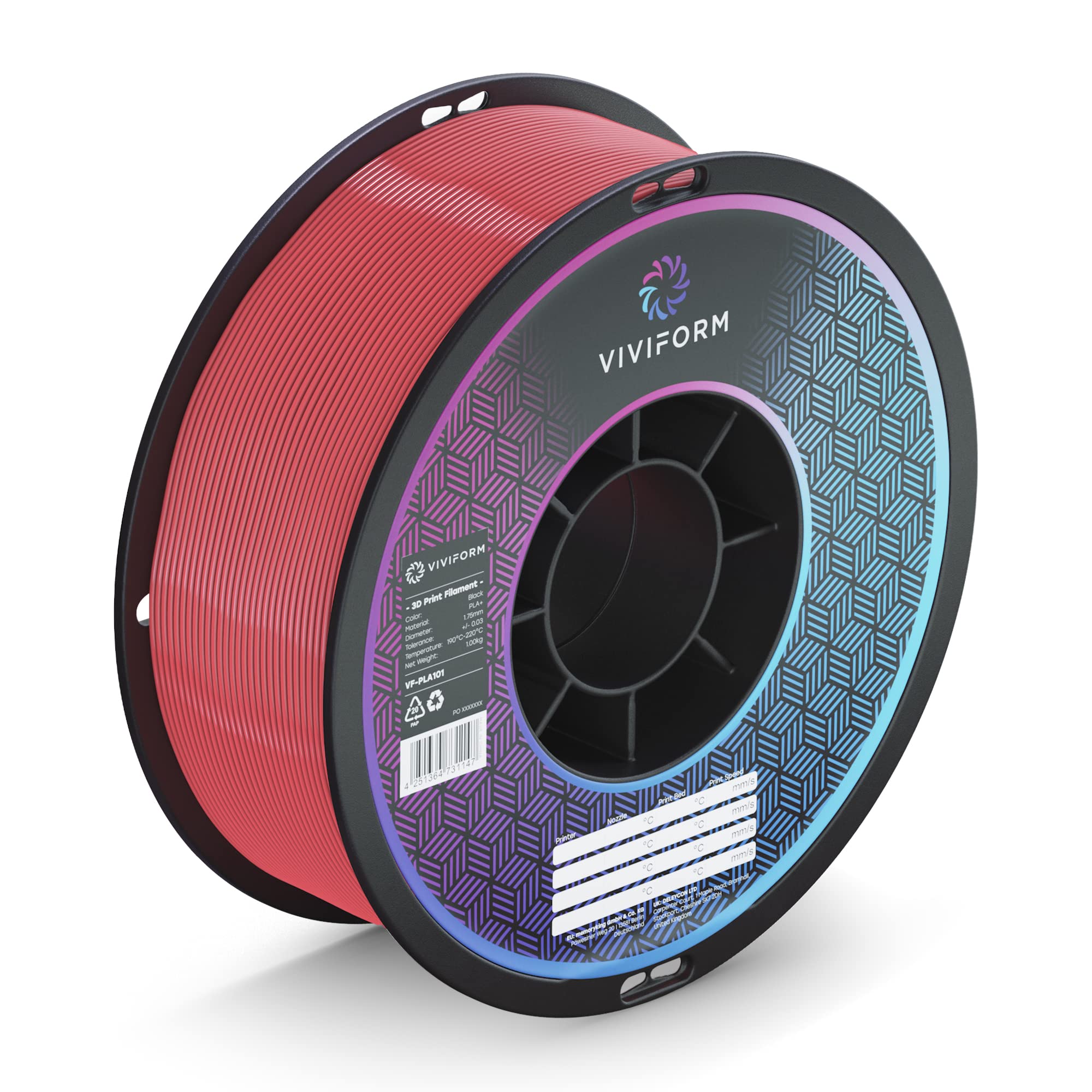
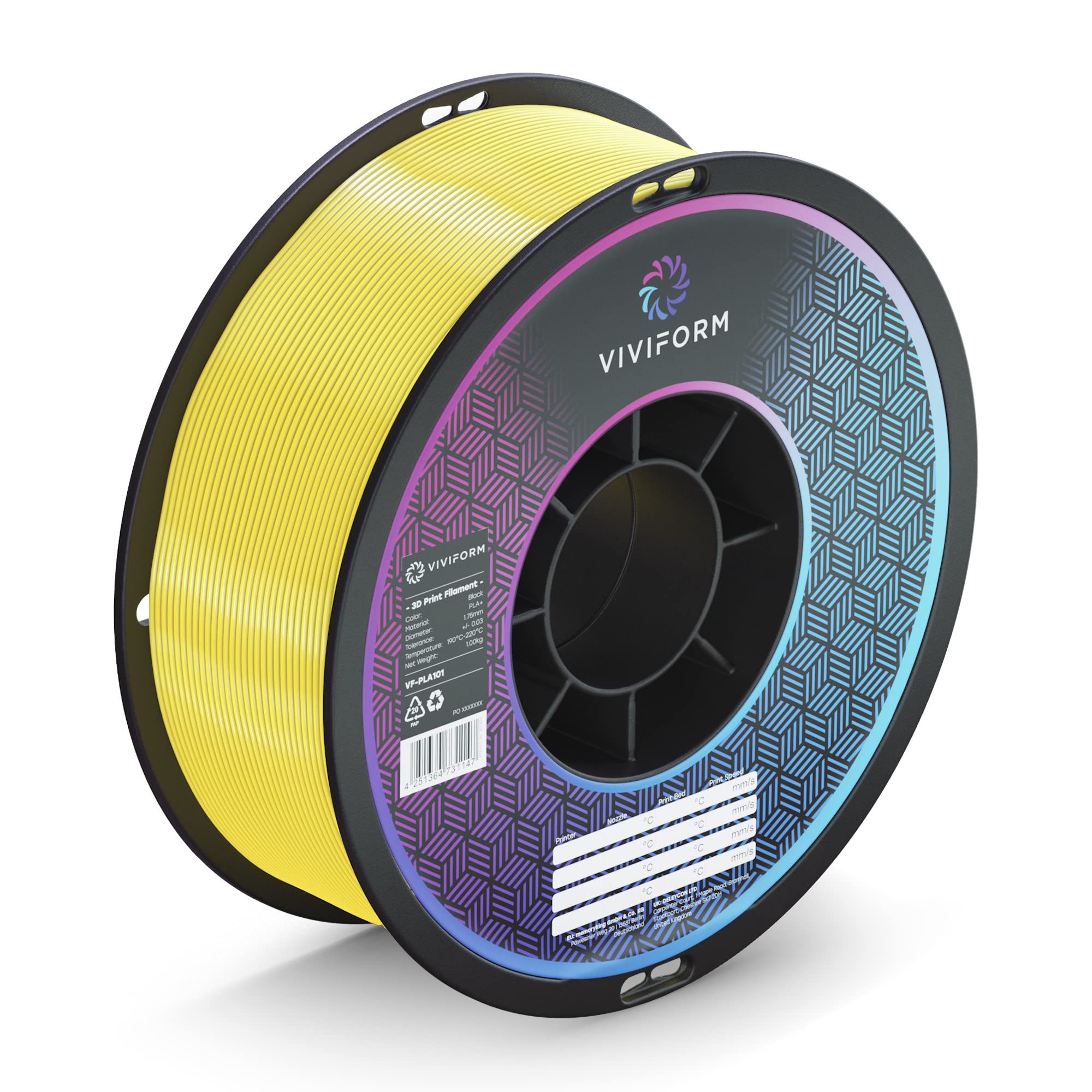
PLA+ builds on PLA with additives intended to improve strength and toughness. It remains easy to print, but settings need adjusting, so read the manufacturer's sheet before starting a print.
For a first purchase, a solid-colour PLA+ spool is a sensible starting point.
PETG
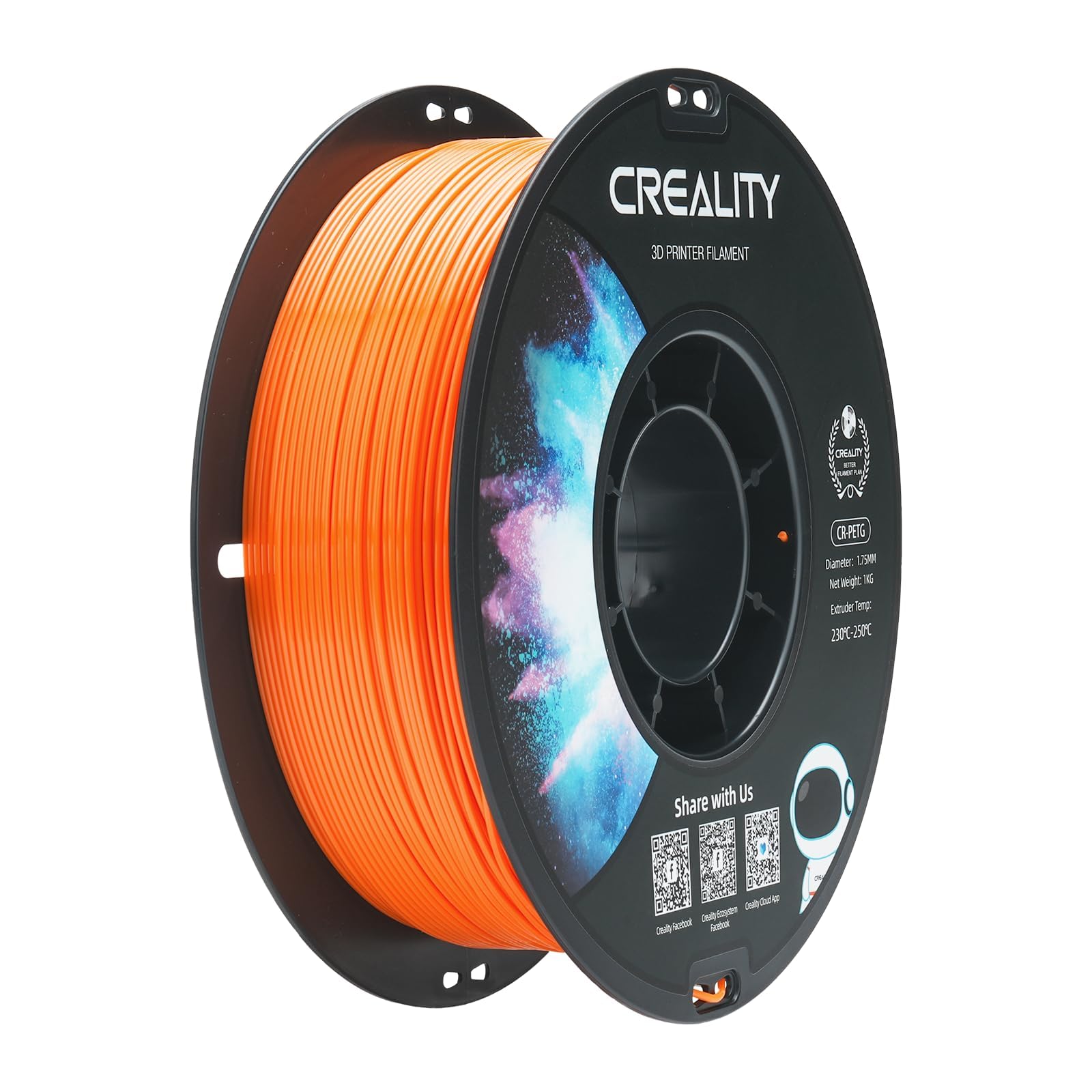
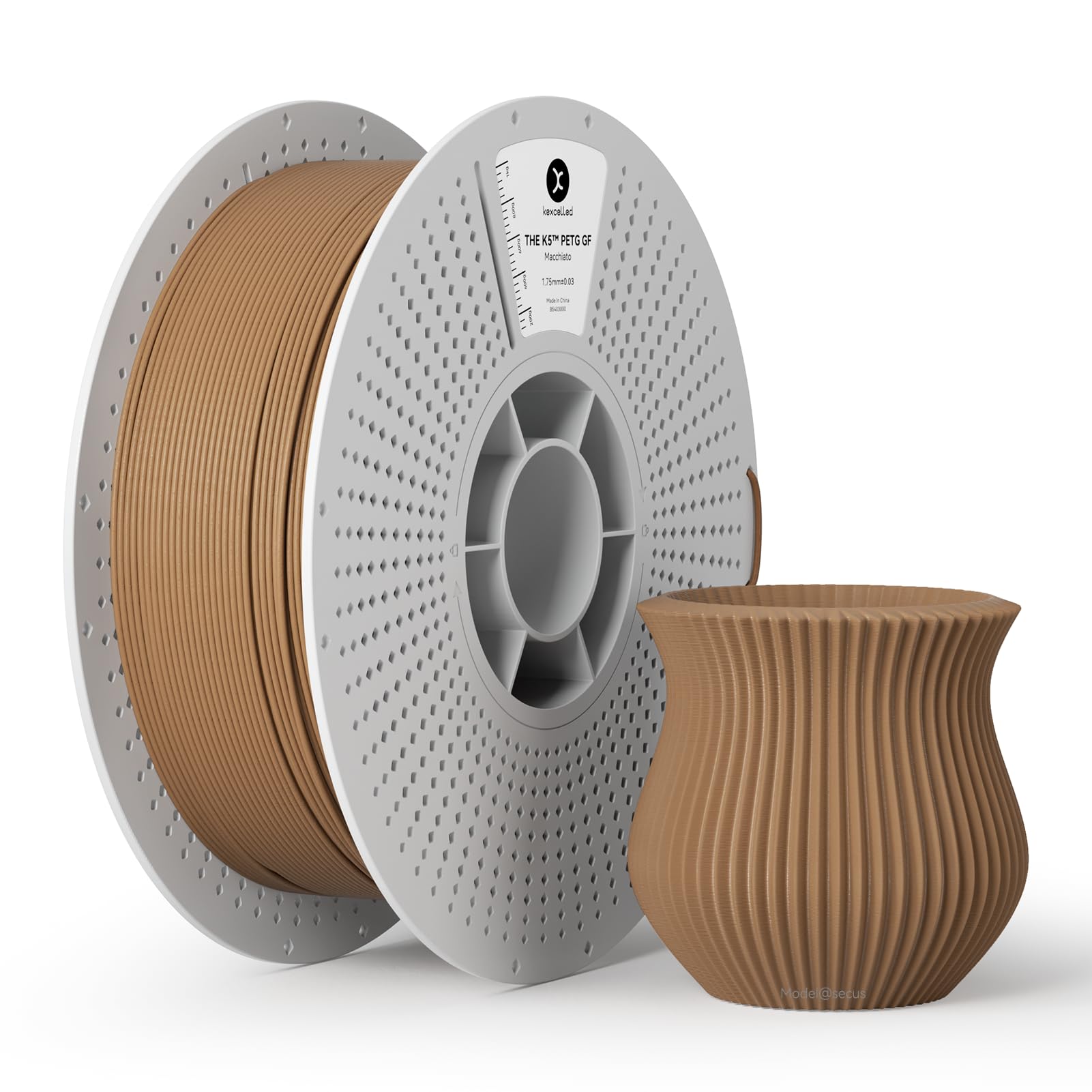
PETG is a good compromise between ease of printing and durability. It handles heat better than PLA and absorbs impacts better. It needs a higher nozzle temperature and a heated bed, and it can stick strongly to the plate, so the first layer must be well tuned.
PETG spools are sensitive to moisture. See the drying section below.
Two PETG spools from this selection:

ABS
ABS resists heat better, but it shrinks as it cools. It requires a hot bed and, in practice, an enclosure to limit draughts and cracking. It also releases fumes while printing, so good ventilation is recommended.
TPU
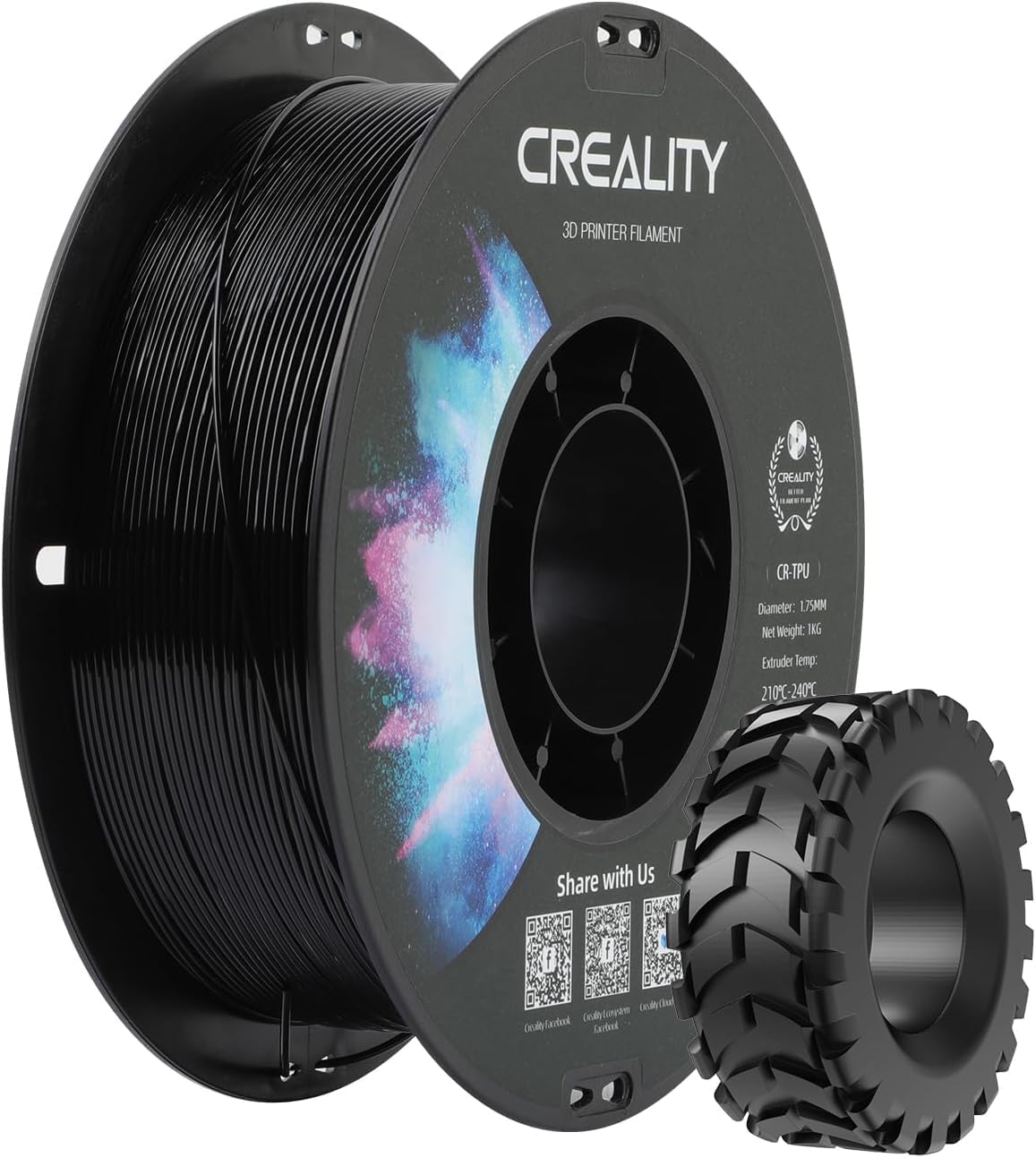
TPU is a flexible, elastic material, useful for gaskets, protective parts and anything that must bend. It prints more slowly, and a direct-drive extruder is generally a better fit. Check that your machine is compatible before buying.
Specialty filaments
Silk PLA has a glossy look. It prints like standard PLA, but its main interest is visual.
Multicolour filaments change shade along the spool. The result depends on the object, which suits decorative work better than precise detail.
Fibreglass-filled filaments are stiffer and more abrasive. They require a hardened steel nozzle, since brass nozzles wear quickly. Check this against your machine.
Drying and storage
Several filaments, notably PETG, TPU, PLA+ and silk, absorb moisture from the air. Bubbles, crackling and a rough surface are the usual signs. Store spools in a sealed box with silica gel, and dry them as the manufacturer recommends.
Delivery and third-party sellers
Delivery is not included in the prices shown on the site. Check the seller, the warranty and the return conditions. If you buy on another European Amazon site, the Safqio guide explains what to check: shipping costs, possible duties, product page language and plug type.
Summary table
| Material | Difficulty | Uses |
|---|---|---|
| PLA | Easy | Decoration, prototypes, lightly loaded objects |
| PLA+ | Easy | Tougher parts, everyday use |
| PETG | Intermediate | Mechanical parts, outdoor objects out of direct sun |
| ABS | Hard | Technical parts exposed to heat, enclosure advised |
| TPU | Intermediate | Gaskets, protectors, flexible parts |
| Silk | Easy | Glossy decorative results |
| Fibreglass | Hard | Stiff parts, hardened steel nozzle required |


